
Home page  News and Events National Arthritis Week
National Arthritis Week
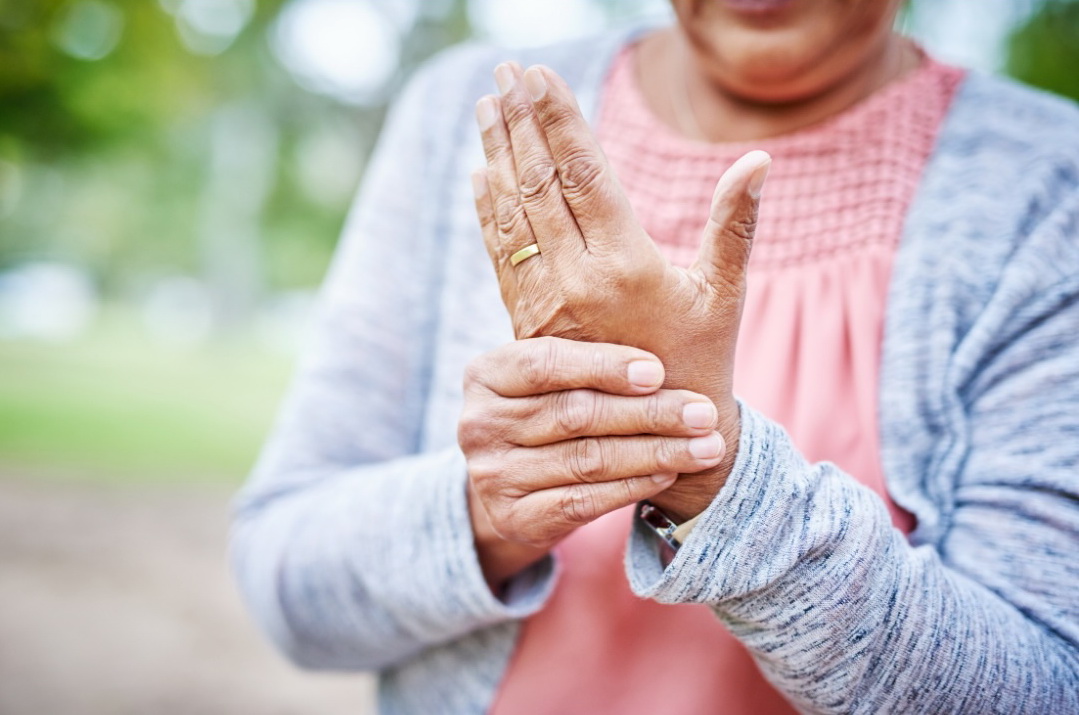
ach year, National Arthritis Week which begins on 7 October 2025, shines a light on arthritis—how it affects people’s lives, the support available, and what we can do to improve quality of life.
In a supported living environment, where many residents are older and may already be managing multiple health conditions, understanding arthritis is especially important.
Arthritis Matters
Arthritis is not just “a bit of joint pain” or “part of getting older.” It’s a group of conditions involving joint inflammation, stiffness, pain, swelling, and in many cases progressive joint damage. It can affect mobility, independence, mental health, and daily routines.
In the UK over 10 million people live with arthritis and musculoskeletal conditions, which include arthritis and related joint, bone and muscle disorders, affect over 20 million people in the UK.
How Arthritis Impacts Daily Life in Older Age
For older adults, arthritis is often a key factor reducing independence and increasing care needs.
- Pain and stiffness can make tasks like rising from a chair, showering, dressing, or reaching for objects more difficult.
- Over half of people with osteoarthritis report significant impact from pain and disruptions to sleep.
- Women are more commonly affected: for example, women make up more than 60% of those with osteoarthritis.
Awareness, Prevention & Support
National Arthritis Week is more than awareness—it’s a call to action.
Early Recognition & Professional Support
- Encourage residents, families, and staff to spot early signs: greater stiffness in the morning, swelling, pain worsened by movement.
- Prompt referral to GP, physiotherapy, or rheumatology can help slow progression, manage symptoms, and maintain mobility.
Gentle, Regular Movement
- Low-impact exercises (walking, swimming, chair-based movement, gentle stretching) help keep joints mobile and muscles strong.
- Tailored activity plans, with supervision, can make a difference.
Environment & Adaptations
- Minimise hazards like loose rugs, uneven flooring, or clutter.
- Provide aids: raised chairs, walking supports, grab rails, non-slip flooring.
- Ensure common areas and pathways are easy to navigate for someone with joint pain or reduced mobility.
Pain Management & Non-Drug Approaches
- Use of heat packs, cold therapy, supportive braces or gloves where appropriate.
- Occupational therapy input: joint-protection techniques, pacing, energy conservation.
- Where needed, medications (under medical supervision), injections, or surgical options may be considered.
Emotional & Social Support
- Chronic pain can affect mood, sleep, social engagement. Encourage peer support, open discussion, and mental health check-ins.
- Activities adapted to participants’ mobility ensure nobody is excluded.
The Old Bakehouse Chadlington team is committed to supporting our residents with arthritis.
Other news
See more
It can be difficult to know when an elderly parent needs more support. Changes often happen gradually and, because you see your parent regularly, you may not immediately notice that everyday life is becoming a little harder for them. This article shares practical advice.
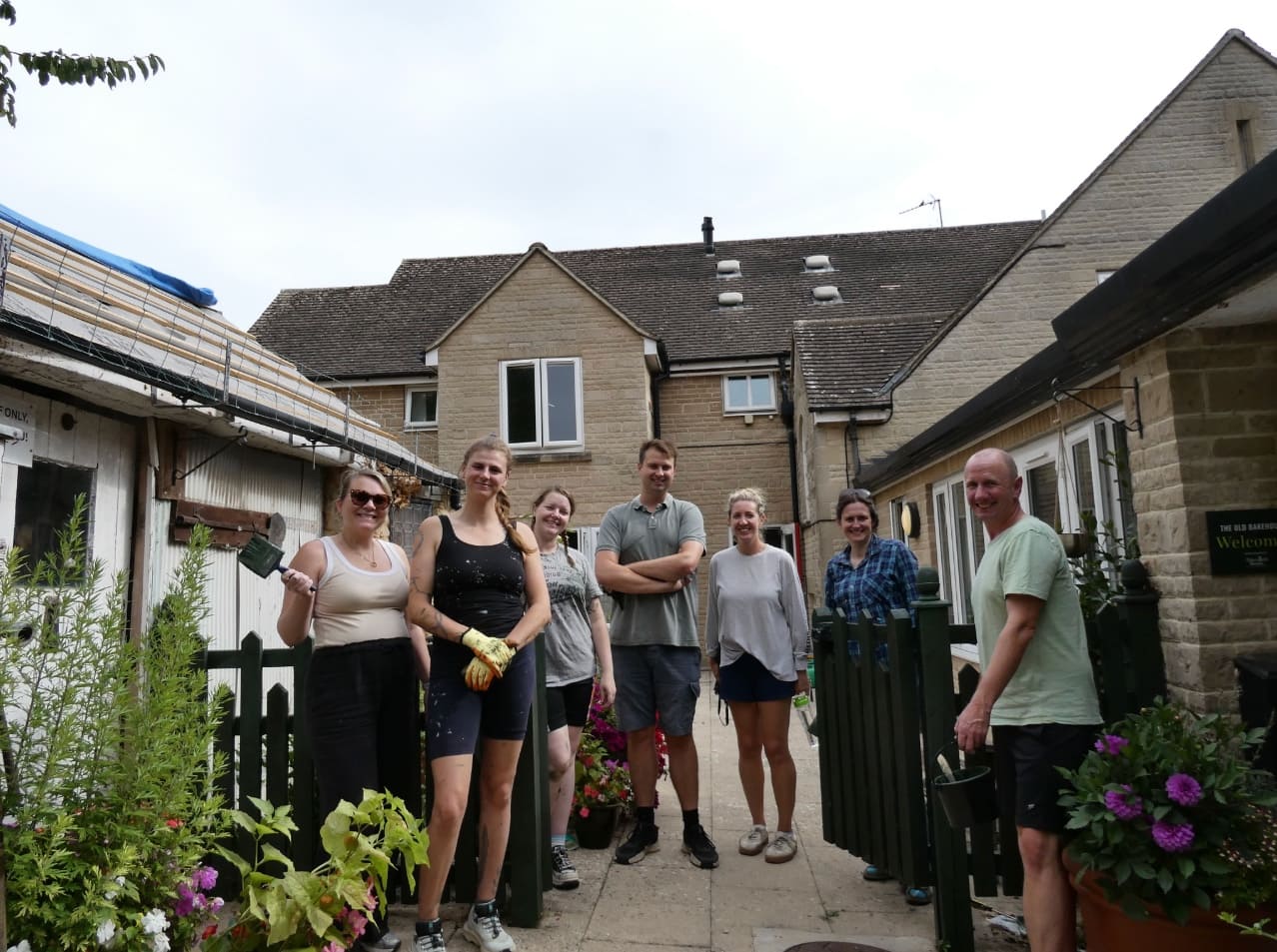
A huge thank you to the volunteer work party from Audley Travel who spent time at The Old Bakehouse this week painting garden furniture and fencing.
Nick, Gillian, Alison, Manon, Hannah, Alex and Lydia we are so grateful for your support and hard work!
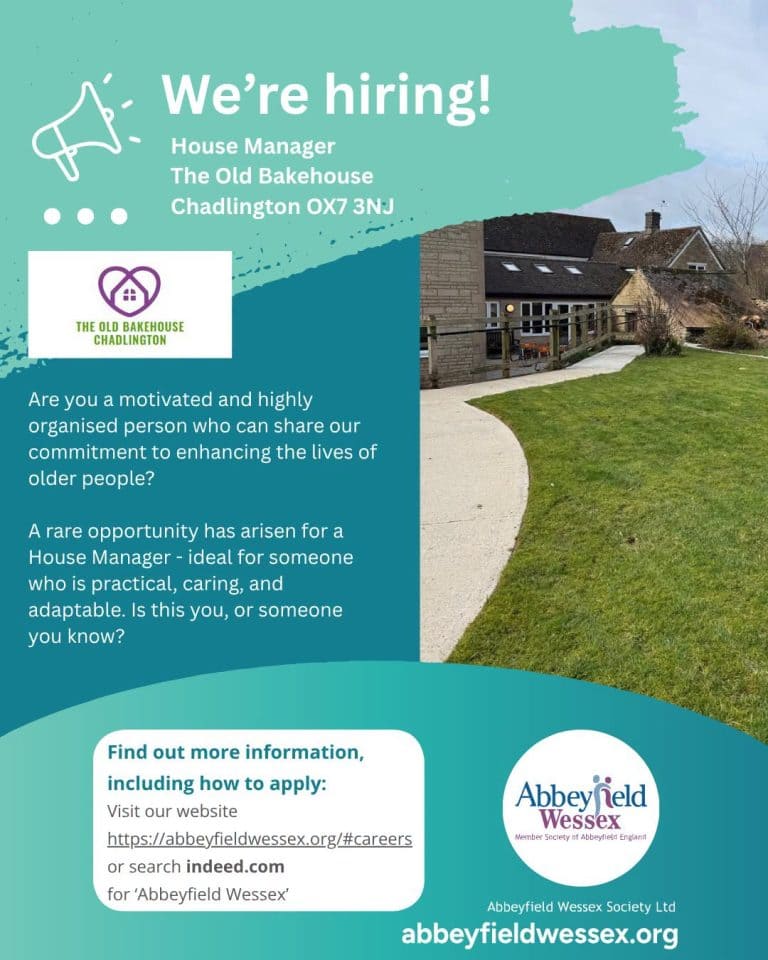
Could you be our next House Manager at The Old Bakehouse Chadlington?
We’re looking for a warm, organised and people-focused House Manager to join the team at The Old Bakehouse in Chadlington, Oxfordshire.


Contact
We look forward to hearing from you with your enquiries about The Old Bakehouse. Please fill out the form below or email theoldbakehouse@abbeyfieldwessex.org
Further information on how we process your data, including when we may transfer it to third parties can be found in our privacy policy