
Home page  Frequently Asked Questions

FAQ
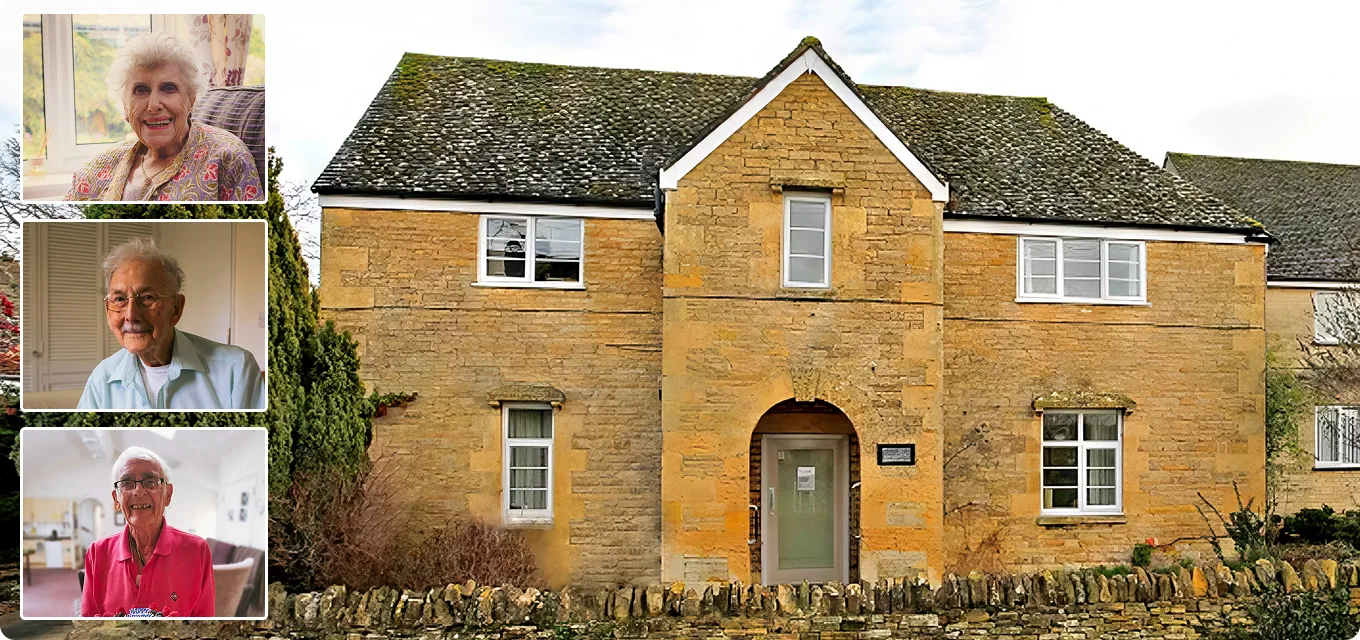
Supported living offers help with daily tasks like meals, housekeeping, and medication reminders while allowing residents to remain as independent as possible. Unlike a traditional care home, residents have their own private flats or rooms and can choose how much support they receive.
Our supported living home is ideal for older adults (aged 60-plus) who:
- Would like some help with everyday activities
- Value independence but want reassurance that help is always nearby
- May benefit from a friendly community and social activities
Local GP Dr Charlotte Hanan has shared this information on how supported living can improve quality of life.
“Loneliness is increasingly recognised as a serious public health issue among older people, with effects that extend far beyond emotional wellbeing.
Persistent social isolation has been linked to higher risks of depression, cognitive decline, cardiovascular disease, and even premature mortality.
As people age, life changes such as bereavement, retirement, reduced mobility, and family dispersal can all contribute to shrinking social networks, making loneliness both common and difficult to address. It is something we see often in primary care and can be difficult to address.
Independent living offers a constructive and empowering way to mitigate these risks, supporting autonomy while enabling social connection. This promotes a sense of control, dignity, and familiarity—factors that are themselves protective of mental health. They can maintain their routines and independence while having easy access to neighbours, organised events, and practical support when needed. This reduces the barriers to social engagement that often underpin loneliness. By fostering both independence and community, independent living not only improves quality of life but can also play a preventative role in reducing the wider health burden associated with loneliness in later life.”
Yes. Each resident has their own comfortable room with bathroom and kitchenette, and can personalise it with their own furniture, photographs, and decorations.
We provide flexible assistance tailored to each person’s needs, which can include:
- Nutritious meals prepared daily
- Social activities and companionship
- Access to Careline
No. Our trained, friendly team is on-site during the working day, seven days a week.
Yes. If residents need additional help – for example, bathing, dressing or with medication – they can arrange for their own care to come in to support them.
We serve freshly prepared, home-cooked lunch and dinner every day. We also provide the ingredients (cereal, bread, milk, yogurts, fruit etc) for residents to prepare their breakfast in their room. We cater for dietary needs and preferences, and residents are welcome to enjoy meals with others in our dining area or in their own space.
Residents have access to small kitchenettes in their rooms to prepare breakfast and snacks and our one, self-contained flat benefits from a full kitchen.
Yes. Visitors are warmly welcome, and there are no strict visiting hours. We also host special family events throughout the year.
There are a range of room costs from £1,950 to £2,100 per month for the private rooms to £2,700 for the self-contained flat. All prices include lunch, dinner, utilities and Careline.
Housing benefit can pay for part of the charge of your room. Some of the charge will always be payable by the resident but we ensure that it is affordable for everyone who chooses to live with us. Our House Manager will ensure you are directed to any support you may need relating to benefits claims.
You can call us or fill out the enquiry form here. Your needs will be fully discussed and all questions answered including our application requirements. We can then arrange a trial visit and our assessment process. Our team will guide you through the moving-in process at a pace that suits you.