
Home page  News and Events How Loneliness Impacts Health in the Elderly: What We Need to Know
How Loneliness Impacts Health in the Elderly: What We Need to Know
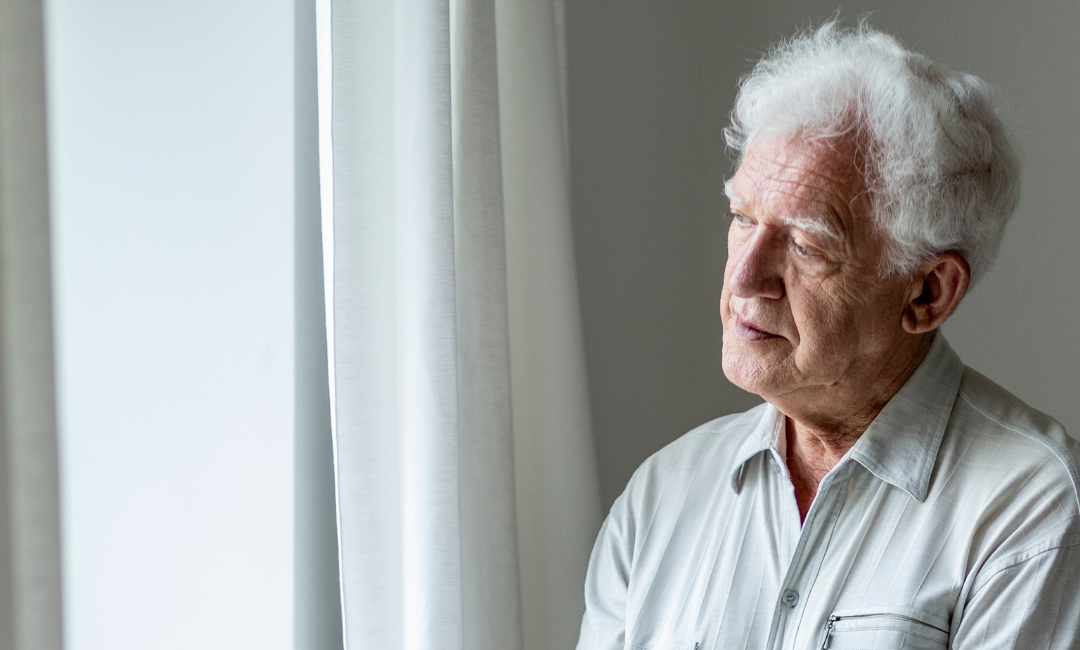
Loneliness is often thought of as an emotional experience—something that affects how a person feels but not necessarily how their body functions. But for many older adults, loneliness is far more than a passing emotion. It has become a significant public health concern, with research showing that chronic loneliness can seriously affect both physical and mental well-being.
As life expectancy increases and families live farther apart, understanding the impact of loneliness on elderly health is more important than ever.
Why loneliness becomes more common with age
Several factors make older adults particularly vulnerable to loneliness:
- Retirement often leads to loss of daily social interactions.
- Reduced mobility or chronic illness can make it harder to get out and stay active.
- Living alone becomes more common due to widowhood or children moving away.
- Hearing or vision loss may make communication more challenging.
- Changing communities—friends move, pass away, or become less available.
These shifts can gradually shrink a person’s social world, even if they don’t consciously notice it happening.
The hidden health effects of loneliness
Loneliness may start as an emotional challenge, but its impact runs deep. Studies have shown that chronic loneliness can lead to:
1. Increased Risk of Heart Disease
Long-term loneliness activates the body’s stress response, raising blood pressure and inflammation levels—two major contributors to heart disease and stroke.
2. Weakened Immune Function
Older adults who feel socially isolated often have poorer immune responses, making them more susceptible to infections and slower to heal.
3. Cognitive Decline and Dementia
Loneliness has been linked to accelerated cognitive decline. Without regular social engagement, the brain misses out on the stimulation it needs to stay sharp. Some studies suggest loneliness may increase the risk of dementia by up to 50%.
4. Depression and Anxiety
Isolation can exacerbate or trigger mental health conditions. Many older adults may not express feelings of loneliness directly but instead show signs of low mood, irritability, or withdrawal.
5. Poor Sleep and Fatigue
Loneliness can disrupt sleep patterns, leading to insomnia or restless nights. This lack of rest then contributes further to physical and mental health problems.
6. Higher Mortality Risk
Perhaps most striking, research has found that chronic loneliness can increase the risk of early death—on par with well-known risk factors like smoking or obesity.
Signs of loneliness
Loneliness doesn’t always look like sadness. Common signs include:
- Social withdrawal or reluctance to engage
- Declining personal hygiene or home maintenance
- Loss of appetite
- Frequent complaints of aches or fatigue
- Irritability or mood changes
- Increased time spent watching TV or sleeping
Recognising these signs early can help prevent more serious health impacts.
How to reduce loneliness
The good news? Loneliness is not inevitable, and small actions can make a big difference.
1. Encourage Regular Social Interaction
Phone calls, community centers, senior clubs, religious groups, and hobby classes all help maintain social ties.
2. Support Technology Use
Video calls, messaging apps, and virtual communities can open up new social channels—especially for those with mobility limitations.
3. Foster Meaningful Activities
Gardening, volunteering, book clubs, or pet companionship can provide purpose and routine.
4. Promote Physical Activity
Walking groups, gentle exercise classes, or even short daily strolls can boost both mood and health.
5. Consider Supported Living
Supported living can make a world of difference to a family member who is feeling the effects of loneliness. Residents can typically enjoy the freedom of a comfortable private room, group social areas and gardens, combined with delicious home cooked communal meals. Maintaining independence whilst combatting loneliness and isolation can be powerful.
Don’t hesitate to get in touch to find out more about supported living at The Old Bakehouse Chadlington.
Creating a Connected, Healthier Future
Loneliness is more than an emotional challenge—it’s a health issue that deserves our attention. By raising awareness and taking steps to support older adults, families and communities can help protect the physical and emotional well-being of the elderly.
A little connection goes a long way—and sometimes, it can be life-changing.
Other news
See more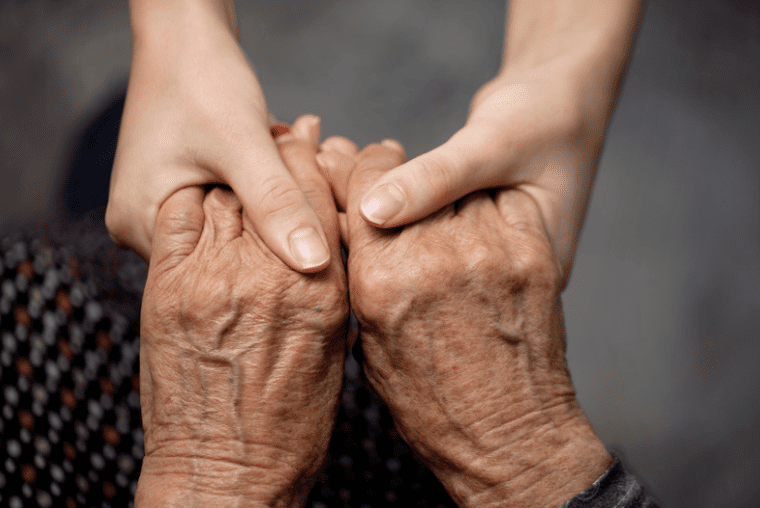
It can be difficult to know when an elderly parent needs more support. Changes often happen gradually and, because you see your parent regularly, you may not immediately notice that everyday life is becoming a little harder for them. This article shares practical advice.
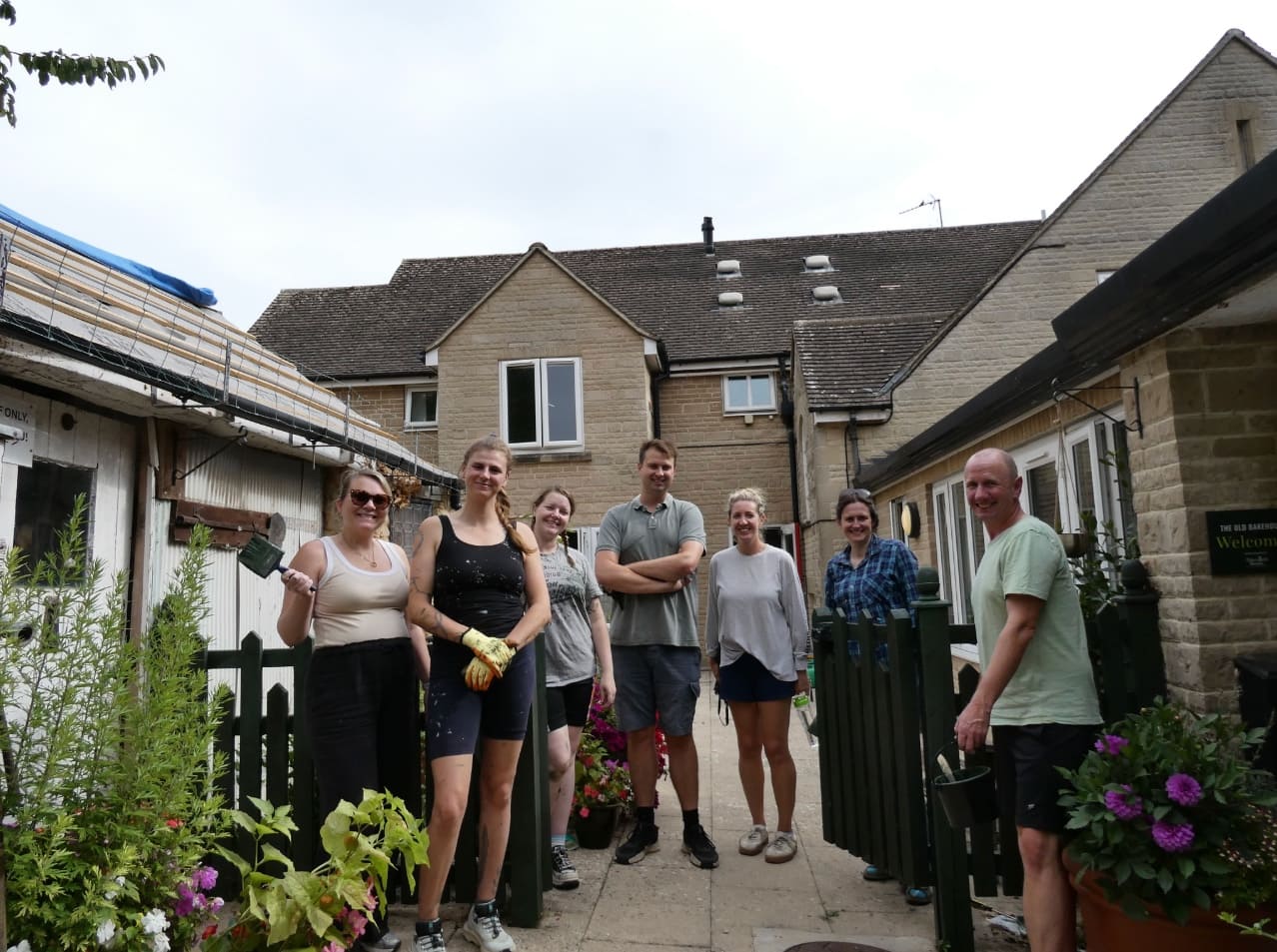
A huge thank you to the volunteer work party from Audley Travel who spent time at The Old Bakehouse this week painting garden furniture and fencing.
Nick, Gillian, Alison, Manon, Hannah, Alex and Lydia we are so grateful for your support and hard work!
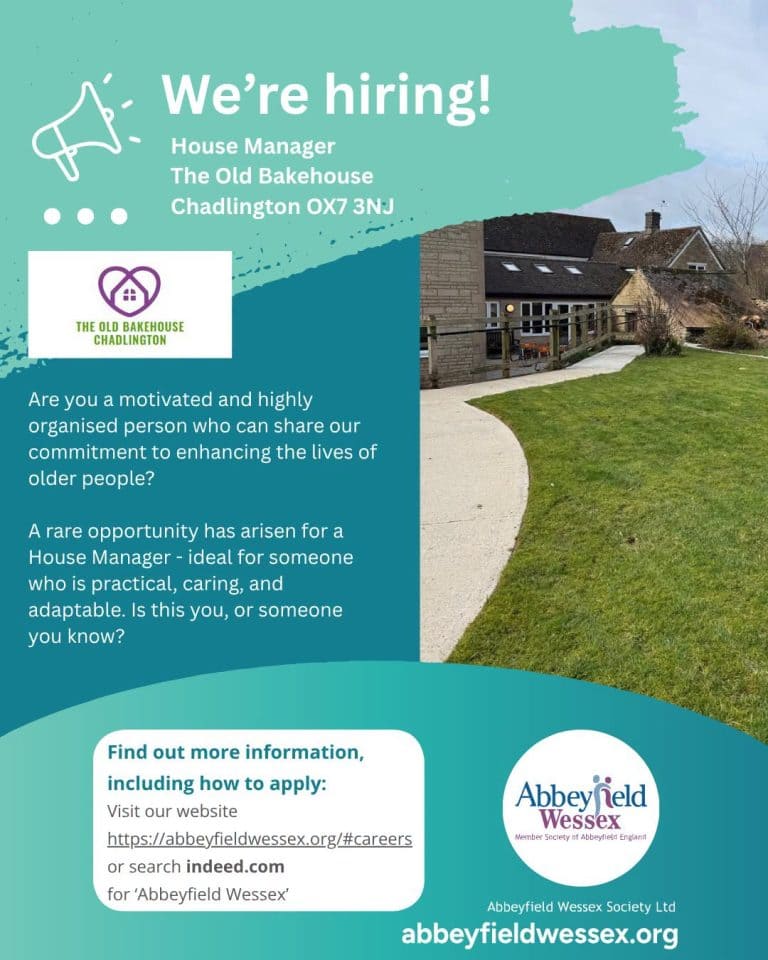
Could you be our next House Manager at The Old Bakehouse Chadlington?
We’re looking for a warm, organised and people-focused House Manager to join the team at The Old Bakehouse in Chadlington, Oxfordshire.


Contact
We look forward to hearing from you with your enquiries about The Old Bakehouse. Please fill out the form below or email theoldbakehouse@abbeyfieldwessex.org
Further information on how we process your data, including when we may transfer it to third parties can be found in our privacy policy